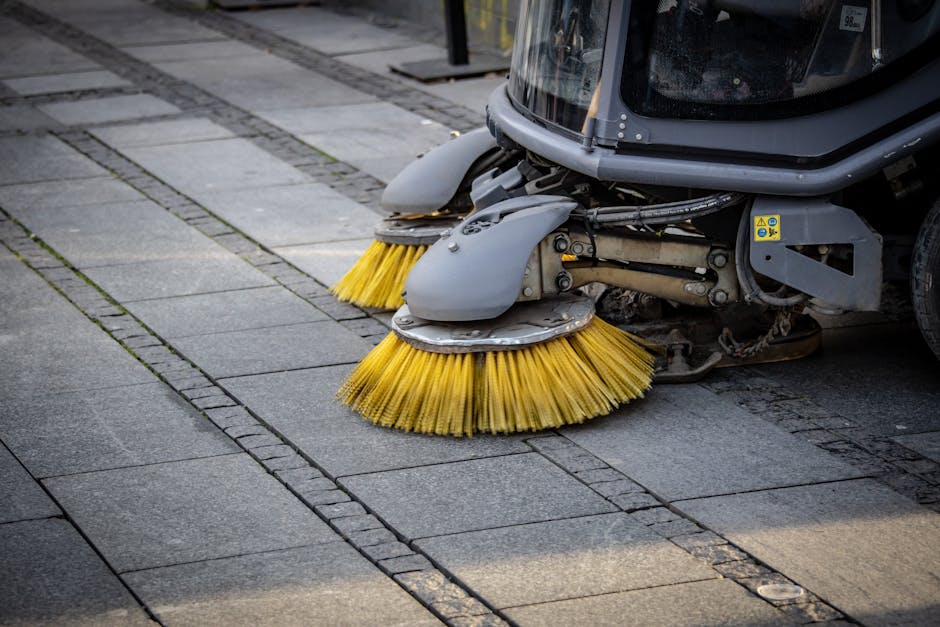
Commercial Cleaning Options on Lupus Street, Pimlico
Posted on 07/05/2026
Commercial Cleaning Options on Lupus Street, Pimlico: A Practical Local Guide
If you run a shop, office, clinic, small studio, or managed property on Lupus Street, you already know that cleanliness is not just about appearances. It affects first impressions, staff comfort, client confidence, and the day-to-day rhythm of the place. The challenge is choosing the right commercial cleaning options on Lupus Street, Pimlico without overpaying for services you do not need or, just as bad, under-specifying and ending up with patchy results. Truth be told, a lot of businesses only start thinking seriously about cleaning once dust, odours, foot traffic marks, or "that one stubborn stain" become impossible to ignore.
This guide breaks down the options in plain English. You will see what commercial cleaning usually includes, how it works in a real Pimlico setting, which services suit different premises, and what to look for before you book. We will also cover practical steps, compliance basics, comparison points, and a few local realities that matter more than people think on a street like Lupus Street, where mixed-use buildings, busy walkways, and regular customer traffic can make a standard clean feel a bit too light.
If you are also comparing wider service choices across the area, it can help to look at the broader services overview first, then narrow down what your premises actually need.
Why Commercial Cleaning Options on Lupus Street, Pimlico Matters
Lupus Street is not the sort of place where businesses can afford to look neglected. It sits in a part of Pimlico where people notice details. A dusty reception desk, dull hallway carpet, or an overflowing bin can quietly undo the good impression your team worked hard to make. In commercial spaces, cleaning is not a cosmetic extra. It is part of your service quality.
For offices, regular cleaning helps keep workspaces presentable and more comfortable for staff. For retail units, it supports the customer experience the moment someone walks through the door. For landlords and managing agents, it can reduce complaints and help with handovers between occupants. For clinics and treatment rooms, the standards are even more exacting, because hygiene is tied to trust. No drama there, just reality.
There is also a local rhythm to think about. Pimlico mixes residential buildings, professional premises, and visitor traffic, so dirt tends to arrive from multiple directions: shoes from the pavement, moisture on wet days, packaging debris, kitchen mess, and the usual collection of fingerprints on glass and doors. If your business sees morning footfall, lunchtime traffic, or after-hours use, the cleaning plan needs to match that pattern rather than follow a generic weekly template.
A well-chosen cleaning arrangement also supports your brand. If your building feels calm, fresh, and orderly, people notice without necessarily realising why. It is one of those quiet advantages that pays back every day.
For anyone exploring the local area context more broadly, the article about Pimlico as an area gives useful background on why presentation matters so much here.
How Commercial Cleaning Options on Lupus Street, Pimlico Works
Commercial cleaning is usually built around a mix of task type, frequency, and site access. That sounds simple enough, but in practice there are a few layers to get right. You start by identifying the premises type, the level of daily use, and any problem areas. Then the provider proposes a plan. Sometimes that plan is basic and regular. Sometimes it is a blended service, with recurring cleaning plus occasional deep cleans or specialist treatments.
Most arrangements begin with a walkthrough or a short site discussion. That is the stage where a cleaner or account manager asks the questions that matter: How many people use the space? Are there kitchen areas? Do you have carpets, hard floors, upholstery, or high-touch surfaces? Is the site occupied during the day? Is there sensitive equipment, archived material, or customer-facing areas that need special care?
After that, the cleaning schedule is usually built into one of these patterns:
- Daily cleaning for busy offices, public-facing spaces, and high-traffic areas.
- Several times per week for smaller businesses with lighter use.
- Weekly cleaning for lower-traffic premises or shared spaces.
- Periodic deep cleaning for carpets, upholstery, kitchens, and difficult-to-reach areas.
A clean that happens only when it is convenient for the provider is not enough. A proper plan works around your opening hours, your staff movements, and any access restrictions. On Lupus Street, that often means early mornings, evenings, or tidy midweek slots that avoid peak disruption. Sounds obvious, but you would be surprised how many problems come from poor timing rather than poor cleaning.
Depending on the building, the service may include office cleaning, carpet cleaning, upholstery care, end-of-tenancy style reset cleans, or a more general premises clean. If you need a workplace-specific arrangement, the dedicated office cleaning in Pimlico page is a useful place to compare what a business-focused service can cover.
Key Benefits and Practical Advantages
The benefits of the right cleaning setup go well beyond having shiny floors. In a commercial setting, you are buying reliability, consistency, and peace of mind. Those things are hard to photograph, but very easy to miss when they are not there.
A better impression from the first ten seconds
Visitors often decide how they feel about a business almost immediately. A clean entrance, clear glass, tidy skirting, and fresh-smelling reception area help create confidence before a single word is spoken. That matters whether you are meeting clients, tenants, patients, or suppliers.
Less wear and tear over time
Regular cleaning protects surfaces. Dirt grinds into carpets, spills can stain upholstery, and dust can build up in corners and vents. The result is often premature replacement of things that should have lasted longer. A sensible cleaning routine helps stretch the lifespan of fitted materials, which is a quiet saving that businesses appreciate later.
More comfortable work conditions
People work better in a place that feels cared for. It is not just about visible cleanliness. It is the small stuff: bins emptied before they smell, kitchen counters wiped properly, washrooms stocked, and dust removed from desks and shared touchpoints. Staff notice. They may not always say so, but they notice.
Better control over hygiene-sensitive areas
In kitchens, washrooms, and shared spaces, poor cleaning creates a chain reaction. Grease, odours, and bacteria build up fast if routines are inconsistent. A decent cleaning schedule prevents little problems from becoming awkward complaints.
More predictable budgeting
Once you define the right cleaning scope, it becomes easier to plan costs rather than reacting to emergencies. That is particularly useful for smaller businesses, landlords, and operators working with fixed monthly overheads. For anyone comparing budgets, the pricing and quotes page is worth checking before making assumptions.
Expert summary: the best commercial cleaning option is rarely the fanciest one. It is the one that matches your actual footfall, layout, and risk points without leaving gaps. Clean enough to protect the space, flexible enough to fit the building, and consistent enough that nobody has to chase it every week.
Who This Is For and When It Makes Sense
Commercial cleaning on Lupus Street makes sense for a lot of different premises, and not all of them look the same. That is part of the point. A small consultancy above street level does not need the same plan as a salon, a shared workspace, or a managed block entrance. So let us break it down a bit.
- Offices that need regular desk-area, kitchen, and washroom cleaning.
- Retail units where the customer-facing space has to look sharp every day.
- Clinics, treatment rooms, and therapy spaces where cleanliness affects trust and comfort.
- Managed properties and common areas that need entrances, stairwells, and shared halls kept presentable.
- Hospitality-adjacent premises with frequent use of floors, toilets, and front-of-house areas.
- Small professional practices that want a neat, reliable setting without hiring in-house cleaners.
It also makes sense when your team is stretched. Let us face it, most offices are busy enough already. If staff members are trying to cover cleaning between their actual jobs, the result is usually inconsistent. They may do a decent job for a bit, then the standards drift. A proper service removes that burden and keeps the space on track.
There are also moments when a deeper clean is the smarter choice than a routine visit. New occupancy, post-refurbishment dust, seasonal build-up, tenant move-outs, or a big client visit can all justify a more intensive approach. If your premises need a reset rather than maintenance, services like end of tenancy cleaning in Pimlico can be a useful reference point, even for commercial handovers.
And if your building includes shared soft furnishings, reception seating, or carpeted circulation areas, it is often worth considering specialist support such as carpet cleaning in Pimlico or upholstery cleaning in Pimlico.
Step-by-Step Guidance
If you are working out the right cleaning setup for a premises on Lupus Street, this is the simplest way to approach it.
- Walk the space properly. Do not just glance at the obvious areas. Check entrances, corners, toilets, kitchens, stairways, mats, and any spots where dust or spill marks keep returning.
- List the priorities. Separate must-clean areas from nice-to-have extras. A reception that greets customers is not the same as a storage cupboard you open twice a month.
- Decide your frequency. Busy use usually needs more frequent service. Low traffic can often work with a lighter schedule, but the standard should still be clear.
- Choose the right mix of tasks. Think floors, bins, surfaces, washrooms, kitchen areas, glass, and any specialist materials. One-size-fits-all plans are usually too blunt.
- Set access and timing rules. Cleaning before opening, after closing, or during quieter periods is often less disruptive.
- Agree what counts as done. This is a big one. "Cleaned" can mean very different things to different people. Write it down or confirm it clearly.
- Review after the first few visits. Early feedback is far easier to act on than complaints months later.
A small practical note: the best results usually come from the simplest brief. Clear instructions, realistic frequency, and a sensible budget. Not glamorous, but effective.
If you need to broaden your planning beyond a single site, the about us page can help you understand the kind of service approach and local focus to expect from a provider.
Expert Tips for Better Results
After years of seeing what works and what leads to avoidable friction, a few things stand out.
Match the plan to the traffic pattern, not just the floor plan
A small space can still need heavy cleaning if dozens of people move through it every day. Meanwhile a larger but quiet premises may not need the same frequency. Use behaviour, not just square footage, as your guide.
Prioritise touchpoints
Door handles, switches, desks, shared tables, kettle areas, and washroom fixtures all collect grime quickly. These are the surfaces that people notice subconsciously. They are also the ones that tend to get missed when a job is rushed.
Think in zones
Front-of-house, back-of-house, and private staff areas often need different standards. The place where customers sit should not be treated the same as the storage room. Sounds basic, but it makes a real difference to quality.
Use periodic deep cleaning to support routine work
Routine cleaning is the backbone. Deep cleaning fills the gaps. Carpets, upholstery, kitchen corners, and areas behind furniture all benefit from occasional attention. If you wait until things look grimy, you are already behind.
Keep communication short and specific
If a cleaner needs to know that one meeting room is always used on Thursdays, say so. If the back entrance is awkward to access, mention it. Short, direct notes save everyone time and avoid odd little misunderstandings. Been there, done that.
For readers who like to understand local life around the area as part of choosing services, the article on what locals recommend in Pimlico can be handy background reading.

Common Mistakes to Avoid
Here is where people usually trip up. Not always badly, just enough to make the service less effective than it should be.
- Choosing purely on price. Cheap can be fine if the scope is clear, but the lowest number often hides missing tasks or limited time on site.
- Assuming every commercial clean is the same. An office, a shop, and a managed hallway each need different priorities.
- Skipping a written scope. If you do not spell out what matters, you may end up debating the meaning of "general cleaning" later. Not ideal.
- Ignoring access issues. Locked cupboards, alarm systems, shared keys, parking, and building entry all matter more than people expect.
- Forgetting specialist surfaces. Some fabrics, polished floors, or delicate materials need care. Using the wrong method can do real damage.
- Not reviewing service quality early. Small problems are easier to correct in week one than month four.
A very common one: businesses ask for everything, then never say what the most important job actually is. The cleaner does the work, but the wrong area gets extra attention. That is how misunderstandings creep in.
Tools, Resources and Recommendations
You do not need a huge toolkit to manage a commercial cleaning plan well, but a few practical resources make life easier.
- A simple room-by-room checklist for daily, weekly, and monthly tasks.
- A short site brief covering opening times, access notes, alarm procedures, and contact details.
- A cleaning log or sign-off sheet for shared buildings or managed spaces.
- Material notes for carpets, upholstery, flooring, and any surfaces that should not be treated harshly.
- Photo references for tricky areas, especially useful if more than one person manages the site.
For businesses that need a clean, dependable base service with room to scale up, it can help to start from a broad package and refine it. If your premises includes carpets, chairs, or lounge-style seating, pairing a routine schedule with targeted specialist work is often the best route. And if you are dealing with client-facing interiors, a tidy reception area can quietly do a lot of work for you.
It is also wise to pay attention to how the provider handles service administration. Clear booking, transparent communication, and straightforward payment processes matter. If you want to check those operational basics, the pages on payment and security and terms and conditions are useful references.
Finally, if you are comparing services with a view to a long-term arrangement, the Pimlico property market guide can be surprisingly relevant for landlords and agents thinking about property presentation and tenant expectations.
Law, Compliance, Standards, or Best Practice
Commercial cleaning is not just a cosmetic service. In the UK, businesses and property managers also need to think about general health and safety responsibilities, sensible risk management, and the practical handling of cleaning products and equipment. The exact obligations depend on the premises and how it is used, so it is best not to overstate anything. Still, a few principles are broadly sensible.
First, cleaning products should be used and stored properly. Labels matter. So do ventilation and safe handling. Second, cleaners and building managers should understand any hazards on site, whether that is a slippery floor, electrical equipment, access constraints, or fragile surfaces. Third, service providers should be able to explain their safety approach in plain language, not in jargon that nobody can use.
For shared premises, there is also a duty to avoid creating a hazard while trying to solve one. A freshly cleaned corridor that is left wet and unmarked is not much of a win, is it? Drying times, warning signs, and sensible scheduling all form part of good practice.
If your organisation has its own standards or approval process, ask how the cleaning plan fits them. A professional provider should be comfortable working with site rules, confidentiality expectations, and access procedures. If you want to see how a provider frames these issues, the health and safety policy and insurance and safety pages are worth a look.
There is also a trust element. If you care about responsible operations and fair working standards, a company's public-facing policies can tell you quite a lot about how they work behind the scenes. The modern slavery statement is one example of the kind of governance page that helps build confidence.
Options, Methods, or Comparison Table
Different commercial cleaning methods suit different sites. Here is a simple comparison to help you decide what belongs in your plan.
| Option | Best for | Strengths | Watch-outs |
|---|---|---|---|
| Routine office cleaning | Workspaces, meeting rooms, kitchens, washrooms | Reliable, predictable, easy to schedule | May not tackle built-up dirt or stains without extras |
| Deep cleaning | Refreshes after busy periods, moves, refurbishments | Targets neglected areas and detail work | Less suitable as a daily maintenance model |
| Carpet cleaning | Reception areas, corridors, carpeted offices | Improves appearance and helps manage wear | Needs drying time and proper material care |
| Upholstery cleaning | Waiting areas, sofas, office chairs | Freshens soft furnishings and removes embedded soil | Some fabrics need specialist treatment |
| End-of-tenancy style clean | Handovers, vacates, occupation changes | Helps reset a property for the next user | Usually more intensive than simple maintenance cleaning |
In practice, many businesses on Lupus Street use a blended approach: routine cleaning most weeks, plus periodic carpet or upholstery treatment when the space starts to lose its edge. That tends to be the sweet spot. Not too much. Not too little.
Case Study or Real-World Example
Imagine a small professional office near Lupus Street with eight staff members, two client meeting rooms, a compact kitchen, and a carpeted reception area. At first, the team tries to manage with a quick tidy at the end of each day. It works for a while. Then the bins start overflowing by Thursday, the kettle area gets sticky, and the reception carpet begins to show the usual grey traffic lines that appear when shoes keep taking the same route.
The business decides to switch to a structured commercial cleaning arrangement. They set an early-evening visit three times per week, add washroom and kitchen resets, and schedule periodic carpet care for the entrance and meeting rooms. The change is noticeable pretty quickly. The office looks calmer. Staff stop grumbling about the shared kitchen. Clients arriving for meetings get a cleaner first impression, and the carpet no longer looks tired by midmonth.
Nothing fancy happened there. No miracle. Just a better match between the cleaning plan and the way the office actually functions. That is the real lesson. A practical cleaning setup is often less about luxury and more about getting the basics right, consistently, without fuss.
If the premises sits in or near a residential block, the surrounding building context may matter too. Articles such as the Churchill Gardens Estate cleaning guide can offer useful local perspective for shared environments.
Practical Checklist
Use this checklist before you book or refresh your commercial cleaning plan on Lupus Street.
- Have you identified the most important areas to clean first?
- Do you know whether you need daily, weekly, or mixed-frequency cleaning?
- Have you listed carpets, upholstery, kitchens, washrooms, and glass surfaces separately?
- Do you have clear access arrangements, keys, or entry instructions?
- Have you agreed the best cleaning times to avoid disruption?
- Do you know what is included in the standard service and what counts as an extra?
- Is there a contact person for quick feedback or schedule changes?
- Have you asked about safety, insurance, and basic policy documents?
- Is there a review point after the first few cleans?
- Do you know how the service will adapt if your occupancy changes?
Quick practical takeaway: the smoother the brief, the better the result. Good cleaning depends on good instructions as much as it depends on good equipment.
Conclusion
Choosing commercial cleaning options on Lupus Street, Pimlico is really about fit. The right plan should match your premises, your traffic, your standards, and your timetable. If you get those things aligned, the whole place feels easier to manage. People notice the difference, even if they do not say it out loud.
For businesses, landlords, and property managers in this part of Pimlico, the smartest approach is usually a combination of regular maintenance and occasional specialist support. That might mean office cleaning most weeks, with carpet care, upholstery cleaning, or a deeper reset when the space starts to look tired. Simple. Flexible. Effective. And a lot less stressful than trying to patch everything up at the last minute.
If you are still weighing up options, take a moment to review service scope, safety, and quote transparency before making a decision. The right provider should make the process feel clear, not complicated. That alone is worth a lot.
Get a free quote today and see how much you can save.