

Pet Urine Odour Solutions for Pimlico Tenants
Posted on 02/06/2026
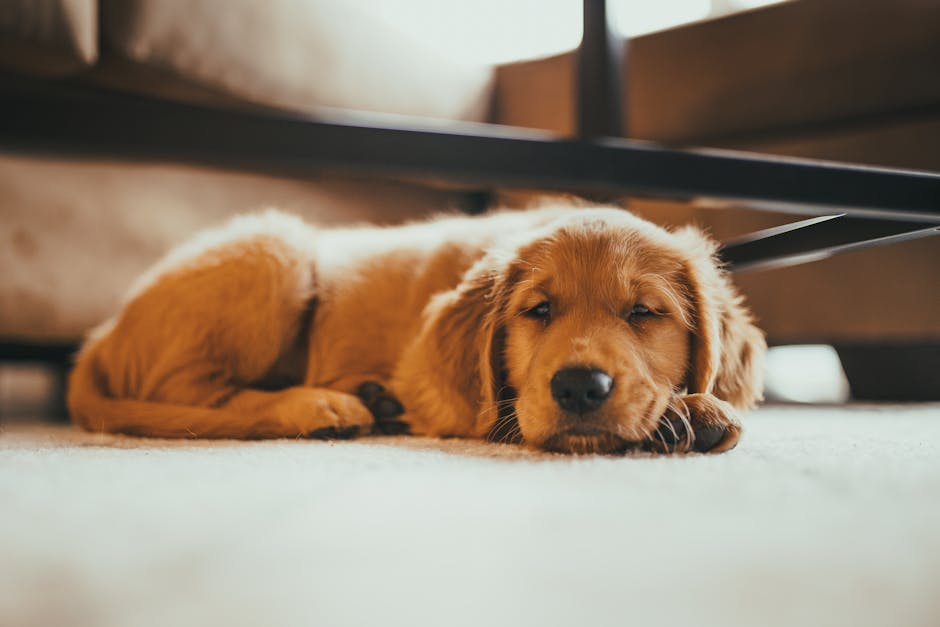
If you live with pets in a Pimlico flat, you'll know the problem can appear quietly and then suddenly take over the room: that stubborn pet urine smell in carpet, underlay, or upholstery. It lingers, it spreads on damp days, and it has a knack for showing up just when you have visitors or a landlord inspection coming up. Pet Urine Odour Solutions for Pimlico Tenants are not just about making a room smell nicer; they are about protecting your deposit, keeping your home comfortable, and stopping a minor accident turning into a lasting issue.
This guide breaks down what actually works, what tends to fail, and how to choose the right approach for a rented home in Pimlico. You'll find a practical step-by-step method, realistic tenant advice, and a few landlord-friendly considerations too. To be fair, there's no magic wand here. But there is a smart way to handle it.
Why Pet Urine Odour Solutions for Pimlico Tenants Matters
Pet urine odour is more than a smell. It's moisture, bacteria, and residue trapped in soft furnishings. In a rented flat, that matters because the damage is often hidden. A carpet may look fine after a quick wipe, but the odour can come back later, especially when the heating is on or the air gets a bit humid. London flats, particularly older ones, can hold smells longer than you expect.
For Pimlico tenants, the stakes are simple:
- you want your home to feel clean and liveable
- you want to avoid complaints from neighbours, flatmates, or a landlord
- you want to reduce the risk of deposit deductions at the end of the tenancy
- you want a solution that works in a compact space without making things worse
That last point is key. A lot of DIY fixes only mask the smell for a day or two. Then the odour resurfaces. Sometimes worse. If you've ever walked into a room and thought, "It definitely wasn't this bad yesterday," you already know how sneaky pet urine can be.
There's also a comfort factor. Let's face it, nobody wants their sitting room to smell faintly of ammonia when they're trying to relax. And if you're in a shared rental, that sort of thing becomes a bigger issue fast.
If you're thinking about broader home upkeep as well, it can help to look at local support services like domestic cleaning in Pimlico or carpet cleaning in Pimlico when the problem reaches beyond one small spot.
How Pet Urine Odour Solutions for Pimlico Tenants Works
Effective odour removal works by dealing with the source, not just the surface. That means breaking down the urine residue in fibres, underlay, or padding, then removing moisture and preventing the smell from returning. The science is not complicated, though the result can feel miraculous when done properly.
Urine usually leaves three things behind:
- moisture that sinks into carpet fibres or cushions
- salts and residues that remain after the liquid dries
- odour-causing compounds that react again when humidity rises
That is why plain soap and water rarely solve the issue. In fact, overwetting the area can spread the contamination further into the backing or underlay. A small patch can become a bigger one. Annoying, yes. Very common, also yes.
Good odour treatment usually involves a few stages:
- identify the affected area accurately
- remove as much fresh liquid as possible if the accident is recent
- clean with the right solution for the material
- neutralise remaining odour-causing residues
- dry thoroughly and check whether the smell returns
In carpeted rooms, especially in Victorian or converted properties around Pimlico, the smell may travel into the underlay. Upholstery can be similar, though the depth of the problem depends on fabric type, cushion filling, and how quickly you act. For soft furnishings, a targeted treatment through upholstery cleaning in Pimlico is often more effective than surface wiping alone.
Key Benefits and Practical Advantages
When pet urine odour is treated well, the benefits are immediate and practical rather than just cosmetic. You can usually tell the difference within minutes, though a deeper set-in smell may need a second pass or professional-grade treatment.
Here's what good treatment gives you:
- better indoor air quality - your room feels fresher and less stuffy
- lower chance of recurring smell - the hidden residue is addressed
- less risk to carpets and furnishings - fewer harsh scrubs and less fibre damage
- improved chances at check-out - particularly helpful at the end of a tenancy
- more confidence in smaller flats - where smells can build quickly in limited airflow
A quieter benefit is peace of mind. People underestimate that. If you know the issue is handled, you stop sniffing at the carpet every time the radiators come on. That alone is worth something.
There is also a relationship benefit. A neutral-smelling home matters in shared rentals, and it can prevent awkward conversations. Nobody enjoys having to explain a smell that has taken up residence in the lounge, especially when you're just trying to get on with life.
Practical summary: the best pet urine odour solution is the one that removes residue, dries fully, and matches the material involved. Quick masking products rarely hold up for long.
Who This Is For and When It Makes Sense
Pet urine odour solutions are useful for more people than you might think. Obviously, they help tenants with cats and dogs. But they also help anyone dealing with a previous pet owner's residue, a guest pet accident, or that mysterious smell that appeared after moving into a new rental.
This is most relevant if you are:
- a tenant with a pet who has had one or more accidents on carpet or upholstery
- a house sharer trying to keep common areas fresh
- a tenant preparing for an inspection, viewings, or end-of-tenancy handover
- someone who has just moved into a Pimlico property and inherited lingering odours
- a landlord or letting agent wanting to restore a room between tenancies
Sometimes the answer is simple: treat one small stain, dry it well, and move on. Other times, the smell keeps returning in one corner of the room or around a sofa base. That usually means the urine has gone deeper than the visible mark. A little detective work is needed, and yes, it can feel a bit unglamorous at 8am with a torch and a roll of kitchen paper.
If the issue is tied to a move-out clean, it may be worth reviewing end of tenancy cleaning in Pimlico, especially where odour could affect the condition report. For property context, local living habits and housing setups are discussed in Pimlico living and what locals recommend.
Step-by-Step Guidance
If you're handling a pet urine problem yourself, work methodically. Rushing usually spreads the issue. Here's a sensible tenant-friendly process.
1. Act quickly if the accident is fresh
Blot, don't rub. Use absorbent paper or a clean cloth and press firmly to draw out as much liquid as possible. Keep changing the cloth so you are absorbing, not redistributing. Simple, but it matters.
2. Identify the full affected area
What you can see is often smaller than what is actually contaminated. Smell the area carefully, and if needed check surrounding carpet edges, skirting lines, or sofa seams. In carpeted rooms, urine can spread sideways under the surface.
3. Test any cleaning solution on a hidden spot
This is the boring bit that saves you from a much worse day. Fabrics, dyes, and finishes can react badly to strong products. A small patch test is not optional if you care about the carpet or sofa.
4. Use a urine-specific cleaner
Choose a cleaner designed to break down pet urine rather than just freshen the room. Enzymatic products are often used because they target organic residues. If you don't want to use chemical-heavy options, be cautious with home remedies that sound nice but do very little.
5. Rinse lightly if appropriate
Depending on the material, a light rinse may help remove residue. Do not soak the area. The goal is control. Overwetting can send the problem deeper into the underlay, and then you're into a whole other situation.
6. Dry thoroughly
Use airflow, open windows if possible, and keep pets away until the area is fully dry. Damp fibres can carry odour and may feel okay at first, then start smelling again overnight.
7. Re-check after drying
Once the area is dry, return with a calm nose and check whether the smell has disappeared. If the odour is still there, the contamination may be deeper than surface level.
8. Escalate if it keeps returning
Recurring smells often need professional extraction or targeted treatment. In some cases, carpet replacement is the only realistic fix for badly contaminated underlay, though that is obviously the last resort.
For larger or repeated issues, a proper services overview can help you decide whether a single treatment or a broader clean makes more sense.
Expert Tips for Better Results
A few small decisions make a surprisingly big difference. In our experience, the jobs that go well are usually the ones where someone was patient for an extra ten minutes.
- Deal with odour and stain together. The smell is often stronger than the visible mark, so treat the full area, not just the obvious spot.
- Use cool or lukewarm water where suitable. Very hot water can set certain residues and make some fabrics behave badly.
- Work from the outside in. That helps avoid pushing contamination outward.
- Let the area dry completely before deciding it worked. Some smells return as moisture evaporates. It's a bit rude, really.
- Think about ventilation in the whole flat. A closed, stuffy room can make a mild smell seem much worse.
- Protect neighbouring surfaces. Rugs, skirting boards, cushions, and chair legs can all pick up residue if you get too enthusiastic with the cleaner.
If the pet is still having accidents, focus on behaviour and placement as well. Sometimes the odour solution is only half the job; the other half is preventing repeat incidents. A vet check may be sensible if the behaviour is sudden or unusual. That part sits outside cleaning, of course, but it matters.
One practical local tip: in smaller Pimlico flats, use airflow to your advantage. Open opposite windows where possible, move furniture a few inches away from walls, and let the carpet breathe. It sounds basic because it is basic. And basic works.
Common Mistakes to Avoid
Most pet urine odour problems become harder because of well-intentioned mistakes. Here are the ones we see most often.
- Masking the smell instead of removing it - air freshener, scented sprays, and candles can make a room smell busier, not cleaner
- Scrubbing aggressively - this can drive the urine deeper into fibres or damage the pile
- Using too much water - especially risky on carpets and upholstered furniture
- Skipping the underlay or cushion filling - hidden contamination is where lingering odours come from
- Ignoring repeat smells - if the odour comes back, there's a reason
- Using bleach or harsh chemicals without checking compatibility - some fabrics can discolour or deteriorate
A surprisingly common issue is the "clean it once and hope" approach. Hope is useful in life, but not as a cleaning strategy. If the smell is still there after drying, it usually needs a stronger or more targeted approach.
Another mistake is moving furniture back too soon. A sofa or rug placed over a damp area can trap moisture and make the smell worse. Annoyingly simple, but true.
Tools, Resources and Recommendations
You do not need a cupboard full of specialist kit to deal with pet urine odour. Still, the right tools save time and reduce damage risk.
Useful items include:
- clean white cloths or paper towels
- a vacuum cleaner with good suction
- a urine-specific cleaner suitable for the surface
- a soft brush for gentle agitation where appropriate
- fans or open windows for drying
- gloves, especially if you are handling older contamination
If the issue is in carpet, deeper extraction may be the better route. That is where professional support can be useful, especially if you are also dealing with general wear, traffic marks, or an end-of-tenancy deadline. A local carpet cleaning specialist in Pimlico is often the sensible next step when the smell refuses to leave.
For tenants who want to compare service choices, the pricing and quotes page can help set expectations before booking. If you are checking who you are dealing with, about us, insurance and safety, and health and safety policy are sensible trust pages to review.
For broader property-care reading, the local blog archive at the Pimlico cleaning blog also covers related stain and maintenance topics, which can be helpful if you're trying to prevent the next issue rather than just fix this one.
Law, Compliance, Standards, or Best Practice
There is no special "pet urine law" for tenants, but there are practical standards that matter in rented homes. The main one is your tenancy agreement. Most agreements expect you to keep the property reasonably clean and to avoid avoidable damage. That usually means dealing with accidents promptly and not allowing a smell or stain to become entrenched.
For tenants, the best practice is straightforward:
- report any significant accidental damage to the landlord or agent if required by your agreement
- keep records of cleaning if the issue might affect deposit discussions later
- avoid using treatments that could damage the property further
- act quickly to prevent odour from becoming persistent damage
For landlords and agents, the expectation is usually a fair assessment of normal wear versus avoidable contamination. If pet odour has been left untreated, it may become more than a routine clean, and that should be handled carefully and reasonably. The exact outcome will depend on the tenancy terms and the condition of the property, so it's wise not to assume every smell equals a dispute.
There is also a safety angle. Cleaning products should be used as directed, with ventilation and sensible precautions. In older Pimlico properties, airflow may be limited, so do not overdo strong chemicals in a closed room. That's the sort of thing people only realise after they've felt a bit dizzy and wondered why the flat suddenly smells like a laboratory.
Options, Methods, or Comparison Table
Choosing the right method depends on how deep the urine has gone, what the surface is made of, and how quickly you need it resolved. Here's a simple comparison.
| Method | Best for | Pros | Limitations |
|---|---|---|---|
| Blotting and spot cleaning | Fresh accidents on carpet or fabric | Fast, cheap, good first response | Often not enough for lingering odour |
| Enzymatic treatment | Set-in urine in fibres | Targets odour-causing residue directly | May need time and repeat application |
| Deep carpet extraction | Carpet and underlay contamination | Better for deeper contamination | Usually more expensive than DIY |
| Upholstery treatment | Sofas, cushions, chairs | Protects furniture when matched to fabric | Needs care to avoid overwetting |
| Replacement of affected material | Severe or repeated contamination | Permanent solution | Most costly and disruptive |
If you're wondering which option is "best," the honest answer is that the best one is the least invasive method that still fully solves the problem. A fresh spot on a rug is a different beast from urine soaked into a carpet underlay in a busy hallway.
For local context on how cleaning decisions fit around rented homes and property upkeep, the article on same-day stain removal costs in Pimlico is useful if you are weighing urgency against budget.
Case Study or Real-World Example
A tenant in a one-bedroom Pimlico flat noticed a faint pet smell near the living room window. At first glance, the carpet looked fine. There was no dramatic stain, just a slightly dull patch. They used a general spray, waited a day, and the smell came back after the heating had been on for a few hours. Classic.
On a second pass, they checked more carefully and found the affected area was larger than it looked, with the contamination likely reaching into the carpet backing. A targeted cleaner was used, the area was dried properly, and the sofa nearby was moved back only after full drying. The smell reduced a lot, but not completely. In the end, a deeper carpet treatment was needed, which solved it properly rather than endlessly masking it.
The useful lesson was not that the first attempt failed. It was that the first attempt was only a surface fix for a deeper problem. That happens all the time in rental flats. The good news is that once the source is treated properly, the room usually feels normal again. Fresh, even. Like the problem never had much of a hold in the first place.
Practical Checklist
Use this quick checklist when dealing with pet urine odour in a rented Pimlico home.
- find the full affected area, not just the visible mark
- blot excess moisture without rubbing
- test any product on a hidden patch first
- use a cleaner suitable for the material
- avoid overwetting carpets and upholstery
- dry the area thoroughly with airflow
- recheck after drying to confirm the smell is gone
- move furniture back only when fully dry
- keep a note of what was cleaned, especially before a tenancy inspection
- book professional help if the odour returns or covers a larger area
Quick reality check: if the smell still makes you wrinkle your nose after a proper clean, there is probably contamination below the surface. Don't keep layering on random products.
Conclusion
Pet urine odour in a rented home is frustrating, but it is manageable when you deal with it properly and early. The key is to treat the source, dry the area well, and avoid the common traps of masking, over-wetting, or scrubbing too hard. For Pimlico tenants, that matters even more because compact spaces and older property layouts can let smells settle in quickly.
Whether you are handling a one-off accident, preparing for an inspection, or trying to make a flat feel like home again, the smartest approach is calm and methodical. Start with the surface, check for deeper contamination, and escalate when needed. Simple, but not always easy.
If you need a more thorough finish, a proper professional clean can save time, stress, and a lot of second-guessing. And honestly, sometimes that is worth more than trying ten different sprays from the cupboard under the sink.
Get a free quote today and see how much you can save.
There's something satisfying about walking back into a room and knowing it finally smells clean again. Small victory, maybe. But a good one.

