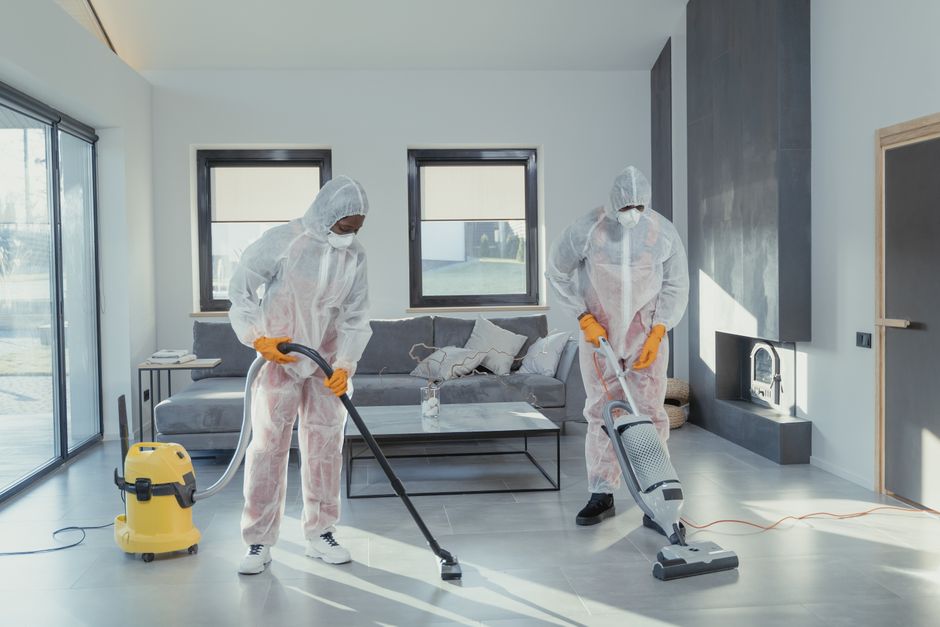
Pimlico HMO Cleaning Standards: What Council Inspectors Check
If you manage or live in an HMO in Pimlico, you already know the awkward bit: the place can look "fine" to the people living there, but still fall short when an inspector walks through with a clipboard and a critical eye. Pimlico HMO Cleaning Standards: What Council Inspectors Check is really about one thing - proving that shared homes are clean, safe, and managed well enough for people to live in without dealing with grime, odours, mould, blocked access, or avoidable hazards.
That sounds simple. In practice, it rarely is. Shared kitchens get busy, bathrooms get missed, bin stores get messy, and little issues build up fast. This guide breaks down what council inspectors typically look for, where HMOs most often fail, and how to get inspection-ready without overdoing it or wasting time. I'll keep it practical, plain-English, and relevant to real life in a busy London property.
Why Pimlico HMO Cleaning Standards: What Council Inspectors Check Matters
In an HMO, cleaning is not just about appearances. It is part of the wider picture of property management, tenant wellbeing, fire safety, pest prevention, and general habitability. Shared homes naturally create more wear and tear than single-occupancy properties. One person leaves the hob greasy, another forgets about the shower drain, and suddenly the whole building starts to feel neglected.
Council inspectors are usually looking for patterns rather than perfection. They want to see whether the property is being maintained in a way that prevents obvious hygiene problems and risks. A clean HMO tells them the management is active, not passive. A dirty one can suggest deeper problems, like poor oversight, weak routines, or unaddressed maintenance issues.
To be fair, most inspectors have seen it all. They are not expecting hotel-style shine in every corner. But they do expect common areas to be sanitary, waste to be managed properly, and the building to be free from the sort of dirt, grease, clutter, damp, or odour that makes day-to-day living uncomfortable.
Expert summary: If you remember one thing, make it this: inspectors are assessing whether cleaning is consistent, effective, and backed by sensible management - not whether the hallway has been polished to within an inch of its life.
That is especially important in Pimlico, where older housing stock, compact layouts, and heavy tenant turnover can all make standards slip more quickly than anyone expects. A missed corner in a small flat is one thing. A missed corner in a busy shared property becomes a recurring problem before you know it.
For landlords and operators who want to stay ahead, it helps to combine proper cleaning with related upkeep. Services such as communal area cleaning, deep cleaning, and end of tenancy cleaning can support a more inspection-ready standard when a property is due for a reset.
How Pimlico HMO Cleaning Standards: What Council Inspectors Check Works
Most HMO inspections are part visual, part practical. Inspectors move through the property and look for signs that cleaning and maintenance are under control. They are not there to admire fresh lemon scent. They are checking for cleanliness, hygiene, safety, and evidence that the property is being properly managed between occupancies and during normal day-to-day use.
In practice, they often assess the property room by room. Shared kitchens, bathrooms, corridors, stairwells, bin areas, entrance halls, and any external access points tend to attract the most attention. Private rooms may matter too, depending on the inspection context, but communal spaces usually reveal the bigger story.
What they notice first is often simple: grease on surfaces, limescale on taps, mould around seals, overflowing bins, dusty skirting boards, dirty extractor fans, stained carpets, clogged sinks, and littered hallways. Those details matter because they indicate how well the property is being looked after.
Then they look for second-order signs. Is the cleaning routine regular? Are there leftover food traces that suggest pests might be attracted? Are fire escape routes blocked by storage? Are windows clean enough to allow proper visibility and ventilation? Is there a smell of damp, stagnant water, or old cooking oil? It is all connected, really.
If you want the place to stay ahead of inspection issues, a structured approach works far better than occasional panic cleaning. Many managers use a mix of regular cleaning for weekly upkeep and a more intensive one-off cleaning when the property needs a proper reset. That combination is often more realistic than trying to do everything in one frantic evening. And yes, everyone has had that "inspection tomorrow, why is the fridge this bad?" moment. Not ideal.
What inspectors typically check in shared areas
- Kitchen counters, splashbacks, sinks, hobs, ovens, and fridge seals
- Bathroom toilets, basins, showers, drains, grout, tiles, and extractor fans
- Hallways, staircases, skirting boards, light switches, and handrails
- Bin stores, waste segregation, and general refuse management
- Carpets, hard floors, and visible staining or odour
- Window condition, ventilation, and general upkeep
- Evidence of pest risk, damp, mould, or poor housekeeping
Key Benefits and Practical Advantages
Good HMO cleaning standards do more than help you pass an inspection. They reduce complaints, make the property feel calmer, and lower the chance of small problems becoming expensive ones. A greasy kitchen today can become a pest problem next week. A damp bathroom corner can turn into mould growth if nobody deals with it properly.
There is also a very human benefit. People notice when a shared home is well cared for. Tenants may not mention it out loud, but they relax a bit when the sink is clear, the corridor does not smell musty, and the bathroom does not feel like a rugby changing room after a wet Sunday. That feeling matters. It affects how people use the property and how carefully they treat it in return.
From a management point of view, regular standards also help with:
- fewer disputes over responsibility for mess
- better retention of decent tenants
- easier handovers between occupiers
- less emergency cleaning before visits or inspections
- reduced chance of repeat issues in the same hotspots
For properties with mixed surfaces and heavier footfall, linking the right specialist services can also help. For example, carpet cleaning supports shared lounges and corridors, while hard floor cleaning is useful where kitchens and entrances pick up grit fast. If there are upholstered chairs, sofas, or lounge furniture in communal spaces, upholstery cleaning can make a noticeable difference too.
And yes, there is a comfort factor as well. A place that feels clean is easier to manage. It encourages better habits. Simple as that.
Who This Is For and When It Makes Sense
This topic matters most to landlords, letting agents, HMO managers, resident managers, and anyone responsible for shared accommodation in Pimlico or nearby central London areas. It is also useful for cleaners and maintenance teams who want to understand what "inspection-ready" actually looks like in a shared property.
You should pay close attention if:
- your HMO has frequent tenant turnover
- there have been complaints about kitchen or bathroom hygiene
- you are preparing for a council visit or licensing review
- the property has a history of odour, damp, or pest concerns
- you are onboarding a new cleaning contractor
- the building has older finishes that show dirt quickly
It also makes sense after an especially busy tenancy cycle. You know the kind of week: someone moves out on Friday, someone else moves in on Saturday, the bins are full, and the oven is a bit... heroic. In those moments, a focused reset is often more realistic than trying to pretend routine cleaning will sort everything by itself.
If that sounds familiar, an move-out cleaning service can be a sensible part of the handover process, followed by move-in cleaning before the next resident arrives. That keeps standards from sliding between occupancies, which is where many HMOs quietly get into trouble.
Step-by-Step Guidance
Here is the practical version. Not the glossy version. The one that actually helps on a Tuesday morning when a property needs sorting.
1. Start with the highest-risk areas
Focus first on kitchens and bathrooms. These are the spaces inspectors tend to judge most quickly because they reveal hygiene standards straight away. If these rooms are clean, dry, and well maintained, the rest of the property usually feels more under control.
2. Remove clutter before you clean
Cleaning around overflowing surfaces is inefficient and, frankly, a bit pointless. Clear away bags, old food, recycling, random bottles, and anything blocking access to corners or appliances. If it is in the way, you cannot clean properly anyway.
3. Deal with grease, scale, and odour
Grease on extractors, limescale on taps, and lingering odours are classic HMO inspection triggers. Scrub the hob, degrease cabinet fronts, descale shower fittings, empty fridge drip trays, and check for blocked drains. The smell of a property tells a story almost immediately.
4. Inspect hidden trouble spots
Look behind bins, under sinks, around washing machines, along skirting boards, and behind the toilet. This is where missed mess tends to sit. It is also where damp or pests can begin if nobody pays attention.
5. Clean floors with the right method
Different floors need different care. Carpets need extraction or steam work where appropriate; hard floors need proper scrubbing and drying so they do not stay sticky. A well-kept hallway or landing can make the whole place feel calmer straight away. If the surface needs more than a quick mop, consider steam carpet cleaning or a specialist floor treatment rather than a rushed once-over.
6. Check windows, ventilation, and light
Clean windows are not just about appearance. They support a brighter, fresher feel and help inspectors see that the building is being maintained properly. Poor ventilation and dirty glass often go hand in hand with a stale atmosphere, which nobody wants.
7. Finish with a documented walk-through
A final checklist matters. Walk through the property as if you were the inspector. If you can spot the issue in a ten-second glance, so can they. Take notes, take photos if you need to, and fix the obvious things before they become evidence of neglect. Slightly boring? Yes. Effective? Very.
Expert Tips for Better Results
One of the biggest mistakes people make is treating HMO cleaning like domestic cleaning with a bigger bucket. It is not quite that. Shared homes need a more systems-based approach because the usage pattern is different. Higher turnover, more people, more pressure points, more repeat grime.
Here are the things that make the biggest difference in practice:
- Set a cleaning rhythm. Weekly or twice-weekly routines usually work better than reactive cleaning after complaints.
- Focus on friction points. Hobs, fridge handles, sink rims, shower screens, bin lids, and door handles get touched constantly.
- Use the right specialist service when needed. Stains, odours, and embedded dirt often need more than standard cleaning. That is where stain removal or pet stain odour removal can be useful in the right setting.
- Keep an eye on soft furnishings. Shared sofas and chairs trap smells and dust surprisingly fast. A bit of attention goes a long way.
- Do small tasks before they grow. A blocked drain or grubby extractor is much easier to deal with now than after the next complaint.
A practical little rule? If it would look bad in daylight, it probably needs attention. Morning light through a Pimlico window can be unforgiving. Lovely, but unforgiving.
For recurring properties, it can also help to pair cleaning with a clear property routine and a service partner who understands shared-use environments. A good provider will know the difference between a quick spruce-up and a proper compliance-minded clean. That distinction matters more than people think.
Common Mistakes to Avoid
Most HMO problems do not come from one dramatic failure. They come from lots of small misses. Repeated, boring, avoidable ones. Here are the big offenders.
- Only cleaning what is visible. Inspectors notice the details behind and under things, not just the obvious surfaces.
- Ignoring odours. A smell of stale food, damp, or greasy residue can point to deeper issues.
- Letting bathroom mould build up. Mould around seals or grout is one of those things that gets worse quietly.
- Using the wrong cleaning method on the wrong surface. It can leave streaks, damage finishes, or just spread dirt around.
- Failing to control waste. Overflowing bins, poor recycling habits, and loose rubbish are common inspection headaches.
- Assuming tenants will handle everything. Some will help. Some won't. The property still needs a management system.
There is also a tendency to wait until just before an inspection, then try to do three weeks of cleaning in one go. That is a stressful game, and honestly, a bit of a fool's errand. Better to keep standards steady than heroic once-in-a-while.
If carpets, upholstery, or curtains are holding on to old smells, standard surface cleaning may not be enough. A targeted approach, such as sofa cleaning, curtain cleaning, or mattress cleaning, can remove the sort of background odour that makes a property feel "not quite clean" even after the obvious bits are done.
Tools, Resources and Recommendations
You do not need a warehouse of gear to maintain a good HMO standard. You do need the right basics, used consistently. That is the unglamorous truth.
A sensible toolkit usually includes:
- degreaser for kitchen surfaces and extractor areas
- limescale remover for taps, showers, and basins
- microfibre cloths for streak-free finishes
- disinfectant appropriate for high-touch points
- scrubbing brushes for grout and bathroom edges
- a vacuum with strong filtration for shared carpets and soft furnishings
- mops and floor tools suited to the property's surface types
- bin liners and a simple waste sorting system
For larger or busier properties, it often helps to keep a written cleaning schedule. Nothing fancy. Just a clear list of tasks, frequency, and who is responsible. That simple bit of structure can stop the usual "I thought someone else did it" routine.
Where specialist cleaning is needed, choose the service that matches the problem. A property with mostly hard floors will benefit from hard floor cleaning. Shared lounges may need office cleaning-style discipline in the sense of regular, systematic upkeep, even though the environment is residential. And if windows are streaking, it is worth bringing them back properly rather than just wiping the middle pane and calling it a day.
One quick aside: if you have ever cleaned a communal fridge at 8:00 a.m. before a viewing, you know exactly why structure matters. Nobody wants to sniff around mystery leftovers before breakfast.
Law, Compliance, Standards, or Best Practice
Cleaning standards in HMOs sit alongside broader property management duties. In the UK, landlords and managers are generally expected to keep accommodation safe, sanitary, and fit for occupation, while local council licensing conditions may set additional expectations for shared housing. The exact requirements can vary, so it is always sensible to check the specific licence conditions or local guidance for the property.
It is also worth remembering that cleaning connects to other responsibilities such as fire safety, ventilation, waste management, and prevention of damp or pest issues. A spotless kitchen does not fix a blocked fire exit, and a shiny corridor does not cure mould behind a wardrobe. Everything needs to work together.
Good practice usually means:
- keeping communal areas hygienic and uncluttered
- ensuring waste is removed promptly and stored properly
- dealing with damp, mould, or odour as soon as they appear
- using safe products and methods for each surface
- maintaining a repeatable cleaning routine rather than sporadic tidy-ups
For service providers, basic trust signals matter too. Clear policies around safety, insurance, payments, and conduct help reassure property managers that the work is being done properly. If you need to review these internally, pages like health and safety policy, insurance and safety, and terms and conditions can help set expectations around professional standards and responsibility.
That is not just paperwork for paperwork's sake. In a shared building, the line between "clean enough" and "inspection problem" can be thin.
Options, Methods, or Comparison Table
Different HMO cleaning methods suit different situations. Here is a simple comparison that may help you decide what the property actually needs.
| Method | Best for | Strengths | Limitations |
|---|---|---|---|
| Regular cleaning | Ongoing upkeep of kitchens, bathrooms, and shared spaces | Keeps standards steady, prevents buildup, easy to schedule | May not remove embedded grime or old odours |
| One-off cleaning | Properties needing a reset before inspection or new tenancy | More intensive, good for neglected areas | Not a substitute for routine maintenance |
| Deep cleaning | Heavy build-up, stubborn dirt, and neglected communal areas | Reaches detail areas, improves overall condition | Takes longer and usually costs more than routine cleaning |
| Specialist fabric or stain work | Carpets, sofas, curtains, mattresses, and visible stains | Targets odour and embedded dirt at source | Only useful where soft surfaces are part of the issue |
In real terms, the best answer is often a combination. Routine cleaning keeps the property respectable; a deeper service catches what routine cleaning misses; and specialist work handles the stubborn stuff. Simple, but not always easy to stick to.
If you are deciding what to prioritise first, start with whichever area would embarrass you most if an inspector opened the door right now. That usually tells you the truth faster than a spreadsheet.
Case Study or Real-World Example
Let's take a realistic example. A small Pimlico HMO with five occupants has a shared kitchen, one main bathroom, and a narrow corridor leading to individual rooms. Over a few weeks, the property starts to show the usual signs: a greasy splashback near the hob, a lingering bin smell by the back door, a damp patch around the shower screen, and a carpeted landing that has picked up muddy footprints after a wet spell.
Nothing catastrophic. But enough to create a bad impression.
Before an expected council visit, the manager arranges a structured clean. The kitchen is degreased, the bin area is cleared and disinfected, the bathroom scale is removed, the shower seal is checked for mould, and the landing carpet is treated properly rather than just vacuumed. The windows are cleaned too, which sounds minor, but makes the property feel brighter the moment you walk in. That bit always surprises people. A room can feel cleaner almost instantly once the glass and light are handled properly.
The main difference was not one miracle product. It was sequence. Clear, then clean, then check, then finish the details. The property looked more cared for, smelled fresher, and most importantly, reduced the obvious causes of concern that inspectors tend to focus on first.
If the property had contained more soft furnishings or heavier traffic areas, the manager might also have benefited from window cleaning for the brightening effect and steam carpet cleaning for the shared landing. That combination can make a modest HMO feel much more controlled without turning it into a show home.
Practical Checklist
Use this checklist as a quick inspection-prep guide. It is not fancy, but it works.
- Kitchen surfaces are degreased and free from old spills
- Oven, hob, sink, and extractor are visibly clean
- Fridge, freezer, and bin area are hygienic and odour-free
- Bathrooms are free from limescale, soap scum, and visible mould
- Floors are vacuumed, swept, or cleaned appropriately for the surface
- Hallways, stairs, and entrances are uncluttered
- Windows and mirrors are streak-free where practical
- Soft furnishings are free from heavy staining or lingering smells
- Waste is removed and stored properly
- Any damp, pest signs, leaks, or odours are investigated promptly
- Cleaning frequency is recorded and followed consistently
- A final walk-through has been completed before inspection day
If you tick all of the above, you are in a much stronger position than most shared properties. Not perfect. But properly managed, which is what matters.
Get a free quote today and see how much you can save.
Conclusion
Pimlico HMO Cleaning Standards: What Council Inspectors Check comes down to consistency, hygiene, and evidence that the property is being properly looked after. Inspectors are not chasing cosmetic perfection. They are looking for shared spaces that are clean, safe, well ventilated, and free from avoidable build-up, odour, clutter, and neglect.
If you stay ahead of the usual problem areas - kitchens, bathrooms, waste, floors, and soft furnishings - you dramatically reduce the risk of poor inspection outcomes and uncomfortable tenant complaints. More than that, you create a property people can actually live in without feeling on edge. And that is worth quite a lot, really.
In the end, a well-run HMO does not need to feel clinical. It just needs to feel cared for. That difference shows almost immediately, and people notice it.
Frequently Asked Questions
What do council inspectors usually check in an HMO?
They usually focus on communal kitchens, bathrooms, hallways, bins, floors, odours, visible dirt, mould, and general upkeep. The main question is whether the property is clean, safe, and being properly managed.
Do council inspectors expect an HMO to be spotless?
No. They do not expect hotel-level perfection. They do expect consistent cleanliness, hygiene, and a lack of obvious neglect. Visible grime, strong odours, or blocked access points are where problems usually start.
Which areas matter most in a Pimlico HMO inspection?
Shared kitchens and bathrooms usually matter most, followed by hallways, stairwells, entrances, and waste storage areas. These spaces tell the story of how the whole property is being maintained.
How often should an HMO be cleaned?
That depends on occupancy and usage, but regular cleaning is usually the safest approach. Busy properties often need weekly or twice-weekly attention in communal areas, plus deeper cleaning when there is build-up or a change of tenants.
Can tenants be responsible for HMO cleaning?
Tenants may be asked to keep shared spaces tidy, but responsibility for standards usually sits with the landlord or manager. In practice, a property still needs an organised cleaning system, not just goodwill.
What happens if an HMO smells dirty but looks clean?
That can still be an issue. Odour often suggests hidden grime, drains, damp, or poor ventilation. Inspectors may treat smell as a warning sign even if surfaces look acceptable at first glance.
Does carpet cleaning help with HMO inspections?
Yes, especially where carpets are in communal hallways, lounges, or bedrooms. Clean carpets help the property feel fresher and can reduce visible staining or lingering odours.
Are deep cleans worth it for HMOs?
Usually yes, when a property has heavy use, stubborn dirt, or a looming inspection. A deep clean is often the difference between "generally tidy" and "clearly under control."
What are the most common reasons HMOs fail on cleanliness?
Common problems include greasy kitchens, dirty bathrooms, overflowing bins, mould, stained carpets, cluttered hallways, and repeated odours. In other words, the same few issues cropping up again and again.
Should I use specialist cleaning for sofas, mattresses, or curtains in an HMO?
If those items are in communal or heavily used spaces, yes, specialist cleaning can be worthwhile. Soft furnishings trap dust and smell much faster than people realise, especially in shared housing.
How do I prepare for an HMO council inspection quickly?
Start with the kitchen and bathroom, clear clutter, remove waste, deal with odours, clean floors, and do a final walk-through. If the property needs more than that, bring in a deeper clean before the visit rather than hoping for the best.
What is the best cleaning method for a shared hallway or landing?
It depends on the surface. Carpets may need vacuuming or steam treatment, while hard floors usually need proper washing and drying. Shared circulation areas should be cleaned regularly because they show wear quickly.
How can I keep an HMO inspection-ready without constant stress?
Use a routine. Keep a cleaning schedule, deal with mess early, and book deeper work when needed. A consistent plan is much less stressful than last-minute scrambles, and much more effective too.