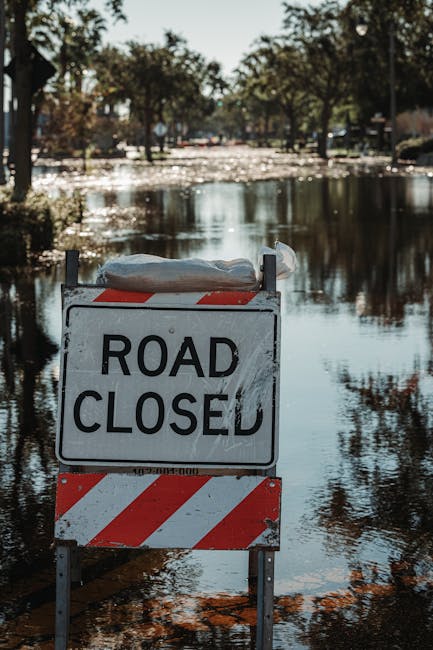
Urgent Flood Cleanup Services in Pimlico: What to Expect
When water gets into a flat, house, or office, the first few hours matter more than people realise. A burst pipe under the sink, a leaking washing machine, heavy rain forcing its way in, or a flooded hallway in a mansion block can turn into a messy, stressful day very quickly. If you are searching for Urgent Flood Cleanup Services in Pimlico: What to Expect, you probably do not need theory. You need a clear picture of what happens next, how fast help can arrive, and what the cleanup team should actually do once they get there.
This guide walks through the whole process in plain English. You will learn how emergency water damage response works in a Pimlico setting, what good service looks like, which mistakes to avoid, and how to judge whether your property needs simple drying or a fuller restoration approach. We will also touch on practical UK best practice, insurance considerations, and a few local realities that matter in older London properties. Lets face it, water is never just water once it gets into carpet, plasterboard, or timber.
For readers who want to explore more about the local area and the broader service context, it can help to look at the company's services overview, or read about the team's background and approach. That gives you a better sense of how a reliable local provider tends to work, especially when time is tight.
Table of Contents
- Why urgent flood cleanup in Pimlico matters
- How urgent flood cleanup works
- Key benefits and practical advantages
- Who this is for and when it makes sense
- Step-by-step guidance
- Expert tips for better results
- Common mistakes to avoid
- Tools, resources and recommendations
- Law, compliance, standards, and best practice
- Options, methods, or comparison table
- Case study or real-world example
- Practical checklist
- Conclusion
- Frequently asked questions
Why Urgent Flood Cleanup Services in Pimlico: What to Expect Matters
Flood cleanup is not just about making a floor look dry again. In a place like Pimlico, where you have everything from basement storage rooms and period properties to modern apartments and office spaces, water can spread in awkward ways. It sneaks into skirting boards, travels under floorboards, and lingers in hidden voids. That is where the real damage begins.
The urgency matters because moisture keeps working long after the visible puddle is gone. Carpets can smell musty. Underlay may hold water like a sponge. Walls can soften. Electrical systems may need checking before they are safe to use again. If the source of flooding was contaminated, such as sewage backflow or dirty water from outside, the situation becomes more serious and more careful handling is needed.
There is also a simple practical point: the faster the response, the better the chance of limiting disruption. That matters if you are a tenant trying to protect your deposit, a homeowner worried about repairs, or a landlord trying to stop a small incident becoming a bigger claim. In many cases, a swift professional response can reduce the amount of material that needs replacement. Not always, but often enough to make speed worthwhile.
For local context, Pimlico homes and flats often sit in older buildings with shared structures, varied pipework, and neighbours just the other side of a wall. That means a leak can become a building issue, not just a room issue. If you live in a managed block, the cleanup may also need to fit around building management rules or access arrangements. For a sense of the area's character and housing mix, the articles on Pimlico as a London suburb and the Pimlico property market are useful background reading.
Expert summary: the best flood cleanup is calm, fast, and methodical. First stop the source, then assess the damage, then dry and sanitise properly. The visible water is only part of the story.
How Urgent Flood Cleanup Services in Pimlico: What to Expect Works
Good emergency water cleanup usually follows a fairly clear sequence, even if the exact order shifts depending on the property and the source of the water. You should expect the process to start with a quick phone assessment. A decent provider will ask what happened, when it happened, whether the water is clean or dirty, which rooms are affected, and whether electricity or heating are still in use. That first call is not just admin. It helps the team arrive with the right kit.
Once on site, the technician should inspect the space, identify the water source if it is still active, and decide what can be saved. In a typical flat, that may mean lifting movable items, checking under furniture, and assessing carpets or flooring. If the flood is more serious, they may use moisture meters, thermal checks, air movers, dehumidifiers, and extraction equipment. Some of those terms sound a bit technical, but they are straightforward: one tool removes standing water, another speeds evaporation, and another helps measure what is still hidden inside the structure.
A proper cleanup then moves into containment and drying. The team may isolate damaged zones, protect unaffected rooms, and begin controlled drying rather than simply blasting hot air everywhere. That distinction matters. Too much heat too soon can sometimes cause warping or other issues. More care, less guesswork.
After drying starts, the property may need cleaning and sanitising, especially if the floodwater was contaminated. Soft furnishings, carpets, rugs, and upholstery might need specialist treatment depending on the material and how long they were wet. If you are dealing with textiles or furniture as well as the room itself, services like upholstery cleaning in Pimlico and carpet cleaning in Pimlico can be relevant after the emergency stage, once the area is safe to work in.
Finally, the team should check moisture readings again and explain whether the property is ready to use, still drying, or likely to need further repair work. That final handover is important. If you do not get it, ask for it.
Key Benefits and Practical Advantages
The obvious benefit of urgent flood cleanup is damage control. The less obvious benefit is peace of mind. When a room is flooded, people tend to focus on what they can see. A professional service looks at what they cannot see, and that is usually where the hidden trouble lives.
Here are the main advantages you should expect from a solid emergency response:
- Faster protection of the property: quick extraction and drying reduce the chance of long-term damage.
- Better hygiene: sanitising helps remove dirt, bacteria, and unpleasant odours after dirty water exposure.
- Less disruption: a clear process means you can plan around drying time and access restrictions.
- More accurate damage assessment: moisture readings help decide what can be restored and what cannot.
- Support for insurance or landlord reporting: documented findings are often useful when explaining the incident.
- Reduced secondary issues: quicker drying can lower the risk of mould growth, staining, and structural softening.
There is also a more practical human benefit: you do not have to guess. When your kitchen floor is wet at 7 a.m. and you are trying to get children ready or open up an office, certainty is valuable. A good flood response gives you a plan instead of a panic.
For landlords, letting agents, and property managers, a fast cleanup also helps preserve the condition of the building between tenancies. That can matter in a busy rental area like Pimlico, where turnaround times are often tight. If you manage multiple properties or shared spaces, it may also be worth looking at broader support such as domestic cleaning in Pimlico, house cleaning in Pimlico, or office cleaning in Pimlico once the immediate flood issue is under control.
Who This Is For and When It Makes Sense
Urgent flood cleanup is for anyone dealing with water where it should not be. That sounds obvious, but the range of scenarios is broader than many people expect.
Common situations include:
- burst pipes or failed connections behind appliances
- toilet overflows or drainage problems
- leaks from upstairs flats or neighbouring properties
- rainwater ingress through roofs, windows, or masonry
- flooding in basements, storage rooms, or lower ground levels
- water damage after appliance failure, especially in kitchens and utility rooms
- office or retail water incidents that threaten stock, flooring, or equipment
It makes sense to call for urgent help when the water is spreading, when the source is unknown, when there is any sign of contamination, or when materials such as carpet, timber, insulation, or plasterboard may be affected. To be fair, even a small patch of water can become a much bigger headache overnight if it is left sitting in the wrong place.
There are also times when you should not wait for a cleaner or general handyman to assess it. If electrical fittings are involved, if the smell suggests sewage, or if water has reached hidden areas, it is better to prioritise safety and specialist inspection. That does not mean dramatic action every time. It just means sensible action.
For people who are new to Pimlico, or thinking about buying or renting in the area, it is useful to understand how local property types can influence the cleanup response. The posts on buying property in Pimlico and what locals recommend about living here provide a bit of context on the homes and lifestyle patterns that shape these situations.
Step-by-Step Guidance
If you want to know what actually happens from start to finish, this is the simplest way to think about it. The details vary, but the core sequence usually stays similar.
- Make the area safe. If you can do so without risk, stop the water supply, switch off electricity to affected areas if advised, and keep people away from slipping hazards.
- Call for urgent assessment. Explain what happened, what rooms are affected, and whether the water is clean, grey, or dirty. The more precise you are, the better.
- Document the damage. Take photos and short videos before moving too much. This can help later with insurance, building management, or repair planning.
- Begin extraction and inspection. Standing water is removed first, then the team checks surfaces, contents, and hidden moisture.
- Set up controlled drying. Dehumidifiers and air movement are often used to dry the space efficiently without causing avoidable damage.
- Clean and sanitise affected materials. This step depends on the type of water and the materials involved.
- Monitor moisture readings. Re-checks help confirm whether walls, floors, and furnishings are dry enough.
- Decide on repairs or replacement. Some items can be restored; others may need removal or specialist repair.
- Finish with a clear handover. You should know what was done, what still needs attention, and what to watch for over the next few days.
That last stage is underrated. A tidy handover can prevent confusion later, especially if the property is shared or managed by more than one party. A slightly wet smell three days later can be the first clue that drying needs another round. Small detail, big difference.
Expert Tips for Better Results
A few simple habits can make emergency flood cleanup much more effective. They are not glamorous, but they help.
- Act early, even if the leak seems minor. Hidden moisture is the silent problem. It does not announce itself immediately.
- Do not keep walking through wet areas. Foot traffic pushes moisture deeper into carpet and underlay. It also makes surfaces slippery.
- Move items out of the way, but only if safe. Lifting furniture can help, though heavy items should not be dragged across wet floors.
- Keep notes on timing. Knowing when the leak started and when water was first noticed helps with diagnosis and claims.
- Ask what moisture readings mean. A good technician should be able to explain them in plain language, not just point at a machine.
- Ventilation helps, but it is not a cure-all. Opening windows may help slightly in some cases, but it does not replace proper drying equipment.
- Check adjacent rooms. Water often spreads sideways or below the obvious area.
One practical tip people sometimes forget: if you live in a block, tell neighbours or building management quickly if there is any chance the problem affects shared pipework or the flat below. Nobody enjoys that conversation, but it can save a lot of trouble. A bit awkward, yes. Still worth it.
If you need a broader understanding of the company's working standards, the pages on insurance and safety and health and safety policy are sensible references. For billing and planning questions, the pricing and quotes page is also useful.
Common Mistakes to Avoid
Flood cleanup goes wrong most often when people either rush the wrong part or delay the right one. It is a strange mix, but you see it often enough.
- Waiting too long to call for help. A small delay can mean more absorbed moisture and a slower return to normal.
- Using heat indiscriminately. Cranking up the heating can create uneven drying or make some materials worse.
- Ignoring odours. A damp smell is not just unpleasant. It can indicate lingering moisture or contamination.
- Cleaning only the visible surface. Dry-looking carpet may still have a wet underlayer.
- Forgetting about walls and skirting boards. Water often travels into edges and corners first.
- Throwing away items too quickly. Some things can be saved, but only after assessment. Other times, disposal is the right call. The point is to decide, not guess.
- Assuming one visit fixes everything. In many cases, follow-up checks are part of a proper job.
Another common mistake is treating all floodwater the same. Clean water from a burst pipe is not the same as contaminated water from drainage. The response should be different. That distinction matters for safety and for what can realistically be restored.
Tools, Resources and Recommendations
Professional flood cleanup relies on a practical toolkit rather than magic. The most useful equipment tends to include water extraction tools, moisture meters, dehumidifiers, air movers, cleaning solutions suited to the material, and protective gear. The exact setup depends on the scale of the incident.
If you are trying to choose a provider, focus less on flashy promises and more on whether they can explain their approach in a calm, straightforward way. The useful questions are often the boring ones:
- How soon can you attend?
- Will you inspect hidden moisture, not just visible water?
- Do you provide drying and sanitising as part of the process?
- Can you explain what can be restored and what may need replacement?
- How do you handle sensitive materials like carpets or upholstery?
- Will you provide clear updates if drying takes longer than expected?
For local readers, the guide to carpet cleaners for Churchill Gardens Estate can be a helpful nearby reference, especially if your flood issue has affected flooring and you want to understand what a careful local service looks like in practice.
It may also help to review the company's payment and security information so you know how booking and billing are handled. That kind of transparency matters when you are already dealing with enough stress.
Law, Compliance, Standards, and Best Practice
Flood cleanup is not usually about complex legal debate, but there are still important UK best practice points to keep in mind. If the property is rented, both landlord and tenant may have responsibilities depending on the cause of the flood and the tenancy terms. If the incident affects communal areas or neighbouring properties, building management or the freeholder may also need to be informed.
In practical terms, that means:
- Safety first: water and electricity are a risky mix, so affected circuits may need to be isolated by a competent person.
- Document the incident: photos, dates, and written notes are useful for insurers and property managers.
- Follow appropriate waste handling: contaminated materials should not be treated like ordinary household waste if they pose a hygiene risk.
- Use suitable protective measures: gloves, footwear, and other precautions may be needed depending on the water source.
- Respect access and neighbour arrangements: especially in shared blocks, where drying equipment and inspections can affect more than one home.
Where health and safety issues are involved, it is sensible to work with providers who can show a clear policy and reasonable working practices. You can review the company's health and safety policy and insurance and safety information if you want to understand how they approach risk and accountability.
One caution: this article gives practical guidance, not legal advice. If the flood has triggered a tenancy dispute, a major insurance claim, or a structural issue, it is worth seeking the right professional support rather than assuming a cleanup visit resolves every obligation. Truth be told, water damage can get a bit messy administratively too.
Options, Methods, or Comparison Table
Not every flood response needs the same level of intervention. The right method depends on the water source, the materials affected, and how long the area has been wet. Here is a simple comparison that may help.
| Method | Best for | What it does | Limitations |
|---|---|---|---|
| Basic water extraction | Small clean-water incidents | Removes visible standing water quickly | Does not deal fully with hidden moisture or contamination |
| Drying with dehumidifiers and air movers | Most common flood cleanup jobs | Speeds evaporation and helps dry floors, walls, and soft furnishings | Takes time and may need monitoring |
| Deep clean and sanitising | Dirty water or hygiene-sensitive spaces | Helps remove residue, odour, and microbial risk | May not restore heavily damaged materials |
| Selective removal and replacement | Severely damaged carpets, underlay, or boards | Removes unsalvageable materials so the rest can dry properly | More disruptive, but sometimes necessary |
In real life, a job can move between these methods. A living room might need extraction plus drying, while a hallway may only need careful monitoring. A kitchen with contaminated water is different again. The point is not to pick one perfect method in advance. It is to match the response to the actual damage, not the fear of it.
Case Study or Real-World Example
Here is a realistic example based on a fairly common Pimlico scenario. A tenant in a first-floor flat notices water spreading from under a washing machine late on a weekday evening. By the time they spot it, the kitchen floor is wet, the kickboards are damp, and water has started to edge towards the hallway carpet. Nothing dramatic, but enough to be annoying and potentially expensive.
They call for urgent cleanup and describe the appliance leak, the room size, and the flooring type. The technician arrives, checks whether power near the area is safe, and isolates the problem. Standing water is removed first. Then the team checks under the machine, along the skirting, and around the hallway edge where the moisture may have travelled. Dehumidifiers are set up, and the tenant is advised not to walk over the carpet more than necessary.
Two days later, the floor feels dry to the touch, but moisture readings still show the skirting and part of the underlay holding more water than expected. That is not unusual. The team continues drying and explains that the room may look fine before it is actually fine. That little detail saves the tenant from switching everything back on too early and ending up with a musty smell a week later. Very ordinary story, honestly. But that is what good cleanup often looks like: not dramatic, just careful.
For a property owner or landlord, a case like this also shows why fast reporting matters. If the carpet had been left wet overnight without assessment, the damage could easily have spread further. In a local rental setting, that can mean more downtime and more disruption for everyone involved.
Practical Checklist
Use this checklist if you are dealing with a flood or helping someone who is. Keep it simple.
- Stop the water source if it is safe to do so.
- Keep people away from slippery or electrical hazards.
- Take photos and short notes before moving items.
- Contact an urgent cleanup service and explain the type of water involved.
- Tell building management, a landlord, or neighbours if shared areas may be affected.
- Move light belongings out of the wet area if it can be done safely.
- Do not use strong heat or random DIY drying tricks without a plan.
- Ask for moisture checks, not just a visual inspection.
- Check carpets, underlay, skirting boards, and adjacent rooms.
- Confirm what happens next: drying, sanitising, repair, or follow-up.
Quick takeaway: the smartest move is usually to act early, keep the process documented, and let the drying be measured rather than rushed.
Conclusion
Urgent flood cleanup is one of those services you hope you never need, and then suddenly you do. In Pimlico, where homes and buildings can be close together and often a bit more complex than they first appear, a calm and well-organised response makes a real difference. The best outcome is not just a dry floor. It is knowing the hidden moisture has been dealt with, the property is safer, and the next steps are clear.
If you are facing water damage now, focus on safety, documentation, and fast assessment. If you are planning ahead, save the contact details of a trusted local provider before you need them. That small bit of preparation can save a lot of stress later, and that is no exaggeration.
Get a free quote today and see how much you can save.
For broader company information and policies, you may also find the terms and conditions, privacy policy, and complaints procedure useful if you want to understand the service framework before booking.
Frequently Asked Questions
How quickly should I call for flood cleanup after water damage?
As soon as it is safe to do so. The earlier you call, the more chance there is of limiting hidden moisture, odour, and structural damage. Even a short delay can make drying more complicated.
What will urgent flood cleanup usually include?
Most services include initial assessment, water extraction, drying, and often sanitising if needed. Depending on the job, they may also inspect carpets, walls, underlay, and nearby areas for hidden damp.
Can flood-damaged carpet be saved?
Sometimes, yes. It depends on the water source, how long the carpet was wet, and whether the underlay or subfloor was affected. Clean water incidents are generally easier to treat than contaminated ones.
Is it safe to stay in the property during drying?
Often yes, but it depends on the location of the damage, the equipment being used, and whether any electrical or hygiene risks are present. The technician should advise you based on the specific situation.
How do I know if the water is contaminated?
If the floodwater came from a toilet overflow, drainage issue, external flood, or smells unpleasant, treat it as potentially contaminated. When in doubt, assume extra caution until it has been assessed properly.
Do I need to move out during the cleanup?
Not always. Small, contained incidents may be manageable while you stay. Larger floods, or those involving contamination, may make temporary relocation more sensible. A site assessment usually clarifies this.
Will my insurer need evidence of the damage?
Very often, yes. Photos, notes about timing, and a written summary of what happened can be useful. Keep everything organised from the start, even if the incident feels manageable at first.
What is the difference between drying and dehumidifying?
Drying is the overall process of removing moisture from the property. Dehumidifying is one part of that process, using equipment that pulls water vapour out of the air to help materials dry faster and more evenly.
How long does flood cleanup take?
That depends on the size of the affected area, the water source, and the materials involved. Some jobs are resolved quickly, while others require follow-up visits and monitoring over several days.
Can urgent flood cleanup help with smell as well as water?
Yes, if the smell is caused by damp, residue, or contamination. Proper extraction, cleaning, sanitising, and drying can all reduce odours. If the smell remains, hidden moisture may still be present.
What should I ask before booking a service?
Ask how soon they can attend, whether they check hidden moisture, what equipment they use, whether they can handle contaminated water, and what the next steps will be after the first visit.
Is flood cleanup the same as regular cleaning?
No. Regular cleaning removes dirt and refreshes surfaces. Flood cleanup deals with moisture, damage prevention, safety concerns, and sometimes contamination. It is a different job entirely, even if some cleaning steps overlap.