After-party Sofa Deep Stain Rescue on Bessborough Gardens, Pimlico
Posted on 10/06/2026
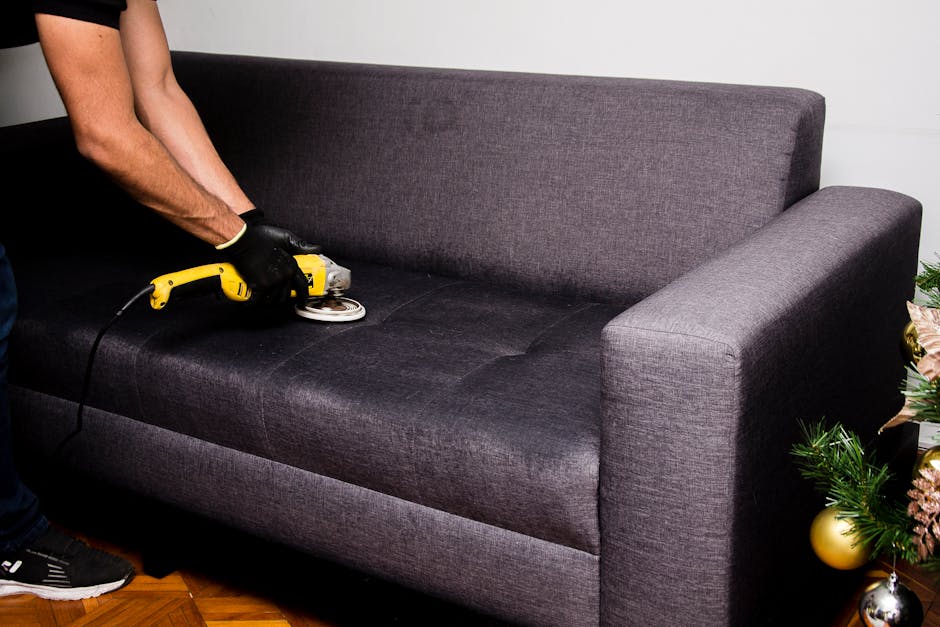
Late-night hosting is brilliant right up until someone tips red wine into the arm of the sofa, or a greasy canape leaves a dark bloom that seems to spread by the minute. If you are dealing with After-party Sofa Deep Stain Rescue on Bessborough Gardens, Pimlico, you are probably not looking for theory. You want the stain dealt with properly, the fabric protected, and your living room back to normal without making the problem worse. Fair enough.
This guide walks you through what actually works after a party, why speed matters so much, and how to approach deep sofa stains in a calm, practical way. We will cover DIY first response, what professional upholstery cleaning usually involves, the most common mistakes, and when a stain is no longer a "quick fix" job. If you also want broader context on local cleaning needs, it may help to browse the wider Pimlico blog archive or related reading like where people tend to party in Pimlico and what locals recommend for living well in Pimlico.
Let's get into the messy bit.
Why After-party Sofa Deep Stain Rescue on Bessborough Gardens, Pimlico Matters
A sofa is one of those pieces of furniture that quietly absorbs a lot of life: snacks, drink spills, skin oils, pet fur, perfume, dust, and the odd mystery mark nobody admits to. After a party, though, the stakes feel higher. A fresh stain on upholstery can set fast, spread under the surface, and turn a simple clean into a full restoration attempt if it is left too long.
On Bessborough Gardens, where homes often need to look neat and polished for everyday living, a stained sofa can feel more disruptive than people expect. It is not just about appearance. Deep staining can also leave lingering odour, attract repeat dirt, and damage the fabric fibres if the wrong product is used. That is why a careful rescue approach matters.
There is another reason too: party stains are rarely neat and obvious. They are often a mix. A splash of wine with sugar. A dab of sauce with grease. Or a drink spill that travels through the cushion seam and leaves a ring long after the visible liquid is gone. In our experience, those layered stains are the ones that catch people out.
Expert summary: the best stain rescue is usually the one that starts gently, uses the right amount of moisture, and avoids "scrubbing the life out of it." Sofas do not reward aggression.
That is also why local, fabric-aware cleaning advice matters. If the stain happened after a noisy gathering, you may find useful context in our guide to same-day stain removal costs in Pimlico and in stain-fighting tips for nearby Eccleston Square homes. Different homes, same basic problem: act quickly, but not recklessly.
How After-party Sofa Deep Stain Rescue on Bessborough Gardens, Pimlico Works
Deep stain rescue is not one magic trick. It is a sequence. First, you remove loose residue without forcing it deeper. Then you identify the stain type and the sofa fabric. After that, you decide whether the mark can be handled with careful spot treatment or whether it needs a more thorough upholstery clean.
The process usually works best when it follows four stages:
- Blot and lift the spill before it settles.
- Test safely on a hidden patch of fabric.
- Treat the stain type with the least aggressive method that could realistically work.
- Extract moisture and dry the area properly so no tide mark or odour remains.
That final drying stage gets overlooked all the time. A sofa can look "clean" while still holding moisture in the cushion filling. A few hours later, you get a faint smell or a reappearing ring. Annoying? Absolutely. Avoidable? Usually, yes.
Different fabrics behave differently. Microfibre responds differently from velvet. Cotton blends react differently from synthetic upholstery. Leather, meanwhile, is a separate conversation entirely. If you are unsure what the cover is made from, check the care label first. If there is no label, be cautious. Very cautious.
For broader service context, you may also want to review upholstery cleaning in Pimlico and the services overview, especially if the spill has already worked into a cushion or arm panel rather than sitting on the surface.
Key Benefits and Practical Advantages
Choosing a proper stain rescue method, instead of random trial and error, gives you a better chance of saving the fabric and the fill beneath it. That is the obvious benefit. But there are others too.
- Better stain removal: fresh residue is lifted before it bonds deeply into the fibres.
- Less fabric wear: gentle treatment reduces abrasion and colour damage.
- Reduced odour: deeper cleaning deals with the source, not just the surface mark.
- Faster recovery: a treated sofa can return to normal use much sooner.
- Improved hygiene: spills from food, drink, or party snacks can leave sticky residues that attract dirt later.
- Lower replacement risk: acting early can save a sofa that might otherwise look tired or permanently marked.
There is also a practical mental benefit. Once the stain is being handled properly, the whole room stops feeling messy. The difference is real. You notice it when you walk in the next morning and the space does not greet you with that little patch of dread on the armrest.
If the sofa is part of a rented flat or a furnished home, fast action matters even more. A badly handled stain can become a complaint at move-out time, or simply become one of those ongoing household annoyances that never quite goes away. If that is your situation, the local guidance in pet odour solutions for Pimlico tenants shows how deeper fabric issues often need proper extraction rather than a surface wipe.
Who This Is For and When It Makes Sense
This kind of cleaning is for anyone who has hosted people, honestly. But the need is especially common if you live in a busy household, rent a furnished property, or own a sofa made from a fabric that marks easily.
It tends to make sense in these situations:
- Wine, beer, cocktails, or soft drinks have been spilled on the sofa.
- Food grease, dips, or dessert sauces have left dark or sticky marks.
- Guests have sat on the same area for hours and left body oils or makeup transfer.
- A child, pet, or tired guest has created a surprise mess the next morning.
- The stain has dried in and now looks like a shadow rather than a spill.
Sometimes the issue is not the size of the mark. It is where it landed. A stain on a seat cushion is one thing; a stain along a seam, piping edge, or backrest panel is harder because liquid tracks into folds. Those spots can look modest on top but be much deeper underneath. Nasty little things, seams.
This is also a sensible time to think about the broader condition of the home. If party clean-up is part of a much bigger reset, you might also look at domestic cleaning in Pimlico or, for more extensive post-event clearing, house cleaning support. If you are preparing a property for guests, tenants, or a move, end of tenancy cleaning in Pimlico can be the more suitable route.
Step-by-Step Guidance
Here is the part people usually want to screenshot. Keep it calm. Keep it practical. Do not panic and reach for the first bottle under the sink.
- Act straight away. Blot any liquid with a clean white cloth or paper towel. Press gently. Do not rub.
- Remove solid debris. If there is food or garnish, lift it carefully with a spoon or dull edge.
- Check the fabric care label. Look for cleaning codes or manufacturer guidance if available.
- Test your cleaning solution. Pick a hidden area first, such as the back edge or under a cushion flap.
- Use a minimal amount of cleaner. Too much liquid drives stain deeper and may leave a ring.
- Work from the outside in. That helps stop the stain spreading wider.
- Blot again. Fresh cloth, clean pressure, no frantic scrubbing.
- Repeat lightly if needed. Small increments work better than one heavy attempt.
- Rinse carefully. A lightly damp cloth can help remove residue if the cleaner requires it.
- Dry properly. Use air movement and avoid sitting on the damp area until it is fully dry.
For grease-based party stains, a dry absorbent first step can help before any liquid treatment. For wine or coloured drinks, speed matters most. For unknown stains, the safest assumption is that a mixed treatment will be needed. That usually means gentle lifting first, then targeted cleaning. Not glamorous, but effective.
If the stain has already sat overnight, you can still improve it. You just need a bit more patience and less optimism about a single wipe solving everything. Truth be told, that is where many DIY jobs go slightly sideways.
Expert Tips for Better Results
A few practical habits can make the difference between a manageable stain and a permanent mark.
- Use white cloths only. Coloured cloths can transfer dye when wet.
- Keep moisture controlled. More water is not better. It rarely is.
- Avoid harsh chemicals first. Bleach, strong solvents, or all-purpose sprays can damage sofa fabric.
- Lift, do not grind. Pressure should be firm but gentle.
- Treat the whole stain edge. That helps avoid a visible ring after drying.
- Improve airflow. Open windows if practical, and keep pets off the furniture until dry.
- Repeat lightly instead of aggressively. Sofas tend to respond better to patience than enthusiasm.
One thing worth saying clearly: stain removal is partly about chemistry and partly about restraint. People often get the chemistry half and forget the restraint half. That is how upholstery ends up looking worse after the rescue attempt than before it. Not ideal, obviously.
Another useful habit is to work in good light. Late at night, under warm lamps, a stain can look smaller than it really is. Check it again in daylight the next morning. You might spot a faint halo or a second mark that you missed while everyone was still chatting over leftovers.

Common Mistakes to Avoid
These are the errors that cause the most avoidable damage.
- Rubbing the stain hard. This pushes residue deeper and roughs up fibres.
- Using too much water. Oversaturation can lead to rings, odour, and slow drying.
- Mixing cleaners. Combining products can be risky and may damage the fabric finish.
- Skipping a patch test. Even mild cleaners can affect colour or texture.
- Using heat too early. Hairdryers and heaters can set some stains or warp fibres.
- Ignoring hidden moisture. The top may look dry while the cushion filling is still damp.
There is also a subtler mistake: assuming every mark is treatable the same way. A protein spill, a grease stain, and a coloured drink spill are not cousins. They behave differently. If you guess wrong, you can lock the stain in rather than lift it out.
If you are weighing whether a more structured clean is worth it, this Pimlico same-day stain removal guide is a helpful read. It gives you a better sense of when a fast professional response makes practical sense.
Tools, Resources and Recommendations
You do not need a whole cupboard of specialist equipment to start. In many cases, the basic kit is enough for first response.
| Tool or item | Best use | What to watch for |
|---|---|---|
| White microfibre cloths | Blotting and lifting liquid | Use clean sections often so you do not reapply residue |
| Paper towels | Initial absorption on fresh spills | Can leave lint if rubbed too hard |
| Soft brush | Gentle fibre lifting after cleaning | Only use lightly on suitable fabrics |
| Small bowl of water | Controlled dampening or rinsing | Do not soak the upholstery |
| Upholstery-safe cleaner | Targeted stain treatment | Patch test first, always |
| Dry towels | Final moisture extraction | Press firmly, then rotate to a fresh dry side |
For people who want help beyond a patch job, the most useful next step is usually to look at carpet cleaning in Pimlico alongside upholstery cleaning options in Pimlico. Sofas and carpets often share the same spill problems, and dealing with both at the same time can be more efficient than treating them separately.
It can also help to think about the wider cleaning plan for the home. If you regularly host friends or share your space, the practical guidance in office cleaning in Pimlico is not directly about sofas, of course, but it does show the kind of routine-based thinking that keeps soft furnishings in better shape over time: regular attention, not heroic panic.
Law, Compliance, Standards, or Best Practice
This topic is not usually about legal thresholds or formal regulation in the same way that some trades are. Still, there are important best-practice points worth following. In the UK, consumers are generally best served by clear service descriptions, safe product use, and honest advice about what can and cannot be removed without risk to the fabric.
If you hire a professional cleaner, sensible expectations include:
- clear explanation of the likely cleaning method
- an honest note about fabric limitations or stain permanence
- careful handling of wet areas to avoid over-wetting
- reasonable safety practices around chemicals and ventilation
- respect for the property and surrounding furnishings
It is also wise to check that any company you use is transparent about pricing, payment handling, and service terms. That is not glamorous reading, but it matters. Pages like pricing and quotes, payment and security, terms and conditions, and insurance and safety help set proper expectations before anyone starts spraying anything on your sofa.
For trust and service standards, it is also useful to know who is doing the work and how concerns are handled. See about us, health and safety policy, complaints procedure, privacy policy, cookie policy, accessibility statement, and modern slavery statement. Those pages are not about stain removal directly, but they do support a more trustworthy customer journey.
Options, Methods, or Comparison Table
Not every sofa stain needs the same response. Sometimes the right choice is simple spot cleaning. Sometimes it is a full upholstery extraction. And sometimes the smartest move is to stop, pause, and let a professional assess the fabric before you make it worse.
| Method | Best for | Pros | Limits |
|---|---|---|---|
| Dry blotting and gentle spot treatment | Fresh spills and surface marks | Fast, low-cost, low-risk | May not reach deep residue |
| Fabric-safe hand cleaning | Moderate stains on sturdy upholstery | Good control and targeted cleaning | Easy to over-wet if rushed |
| Professional upholstery cleaning | Deep stains, odours, or large affected areas | Deeper extraction and better finish | Costs more and may need drying time |
| Replacement or reupholstery | Severe damage or fragile fabric | Permanent reset | Highest cost, most disruption |
In practical terms, the choice usually comes down to two questions: how deep is the stain, and how valuable is the sofa? If the answer is "quite deep" and "more than I want to replace," then a proper clean is usually the sensible route.
Case Study or Real-World Example
Picture a Friday night in Bessborough Gardens. Friends have come round, the mood is relaxed, and by about 11:30 the living room has gone from elegant to slightly chaotic. Someone sets a glass of red wine on the arm of the sofa, it wobbles, and a dark splash lands across the seat cushion seam. A few minutes later, someone else knocks over a saucy canape. Double trouble. It happens.
The next morning, the stain looks worse than it did the night before. One side has dried darker. The other has spread into a faint ring. At that point, the best response is not panic, and definitely not a bottle of random household cleaner. First, the visible residue is lifted gently. Then the fabric is checked. A careful spot treatment is tested in a hidden area. When the marks prove deeper than they first seemed, a more thorough upholstery clean is arranged rather than trying to brute-force the result.
The practical win here is simple: the sofa is saved from a rough DIY attempt, the stain is reduced significantly, and the room is back to normal without a new bleach mark or a lingering smell. That is the real goal, really. Not perfection for its own sake. Just a sofa that looks like it belongs in a home again.
If you are managing a fuller post-party reset, nearby reading such as best carpet cleaners for Churchill Gardens Estate Pimlico and commercial cleaning options on Lupus Street may help if the spill story extends beyond the sofa. Sometimes it does. One stain leads to another, and then suddenly you are cleaning the whole room at 9 a.m. with very little coffee left.
Practical Checklist
Use this before you do anything else.
- Identify the stain: drink, food, grease, makeup, or unknown.
- Check the fabric label or care guidance if available.
- Blot gently with a clean white cloth.
- Remove solids without rubbing them in.
- Test any cleaner in a hidden spot first.
- Use the smallest effective amount of moisture.
- Work from the outside of the stain inward.
- Blot out residue after treatment.
- Allow full drying with airflow.
- Reassess in daylight before deciding the job is done.
Quick takeaway: if the stain is fresh, visible, and not too deeply set, you have a real chance of rescuing the sofa at home. If it has already soaked in, spread, or changed the fabric's texture, a professional upholstery clean is usually the safer path.
Conclusion
After-party sofa stains can feel bigger than they are, especially when you are looking at them the morning after with a mug in your hand and a slightly regrettable memory of the night before. But most of the time, a careful, fabric-aware rescue plan can make a meaningful difference. The key is to act early, use the right method, and avoid turning a stain into a fabric problem.
For After-party Sofa Deep Stain Rescue on Bessborough Gardens, Pimlico, the smartest approach is usually calm first response, sensible testing, and proper drying. If the stain is stubborn or the upholstery is delicate, that is not a failure. It is just the point where better tools and experience start to matter.
If you want to move from guesswork to a proper plan, take a look at the service and trust pages linked above, then decide whether the sofa needs a light touch or a deeper clean. Either way, the important thing is not to let one evening define the whole room. It really can come back.
Get a free quote today and see how much you can save.